How Hot Does an Ooni Pizza Oven Actually Get? Measured Temps by Model
Affiliate Disclosure
This page contains affiliate links. As an Amazon Associate, Pizza Oven Zen may earn a commission on qualifying purchases at no extra cost to you. Our reviews and recommendations are editorially independent.
Ooni advertised vs measured temperatures
| Model | Fuel | Ooni claims | Independently measured | Tested by |
|---|---|---|---|---|
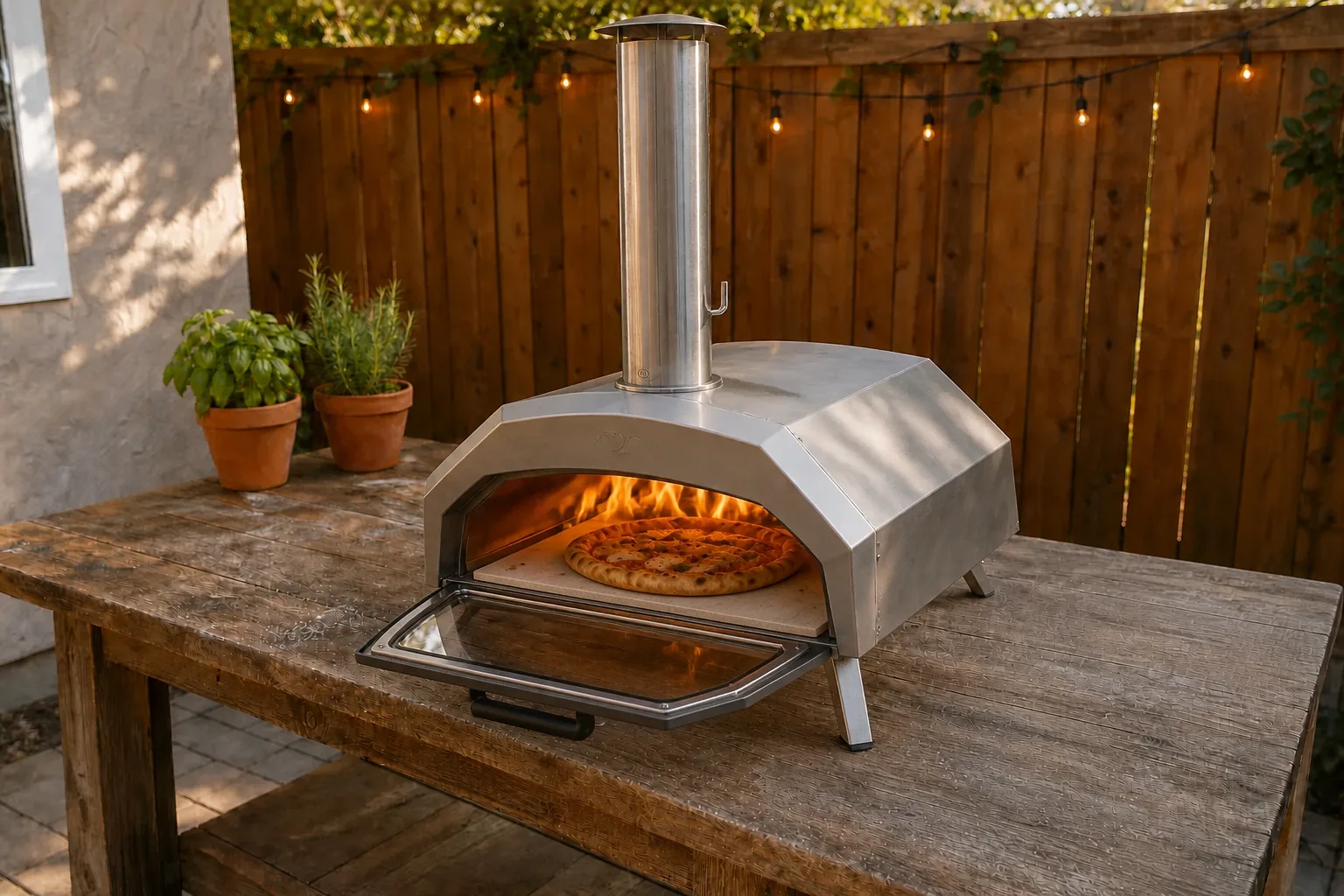
| Ooni Karu 12 | Wood, charcoal, gas | 950°F | Gas: 736°F average stone. Wood: over 750°F (their thermometer maxed out at 800°F) | TechGearLab |
| Ooni Karu 2 (Karu 12G) | Wood, charcoal, gas | 950°F | 825°F average stone, 776°F air. Wood fire passed 1,000°F. One reviewer hit 945°F on gas | TechGearLab, one reviewer |
| Ooni Karu 16 | Wood, charcoal, gas | 950°F | No verified peak. Stone read about 815°F when the built-in thermometer said 846°F | Pala Pizza |
| Ooni Koda 12 | Gas | 950°F | 778°F average internal (thermometer maxed at 800°F). Another outlet measured about 932°F at the stone | TechGearLab, another outlet |
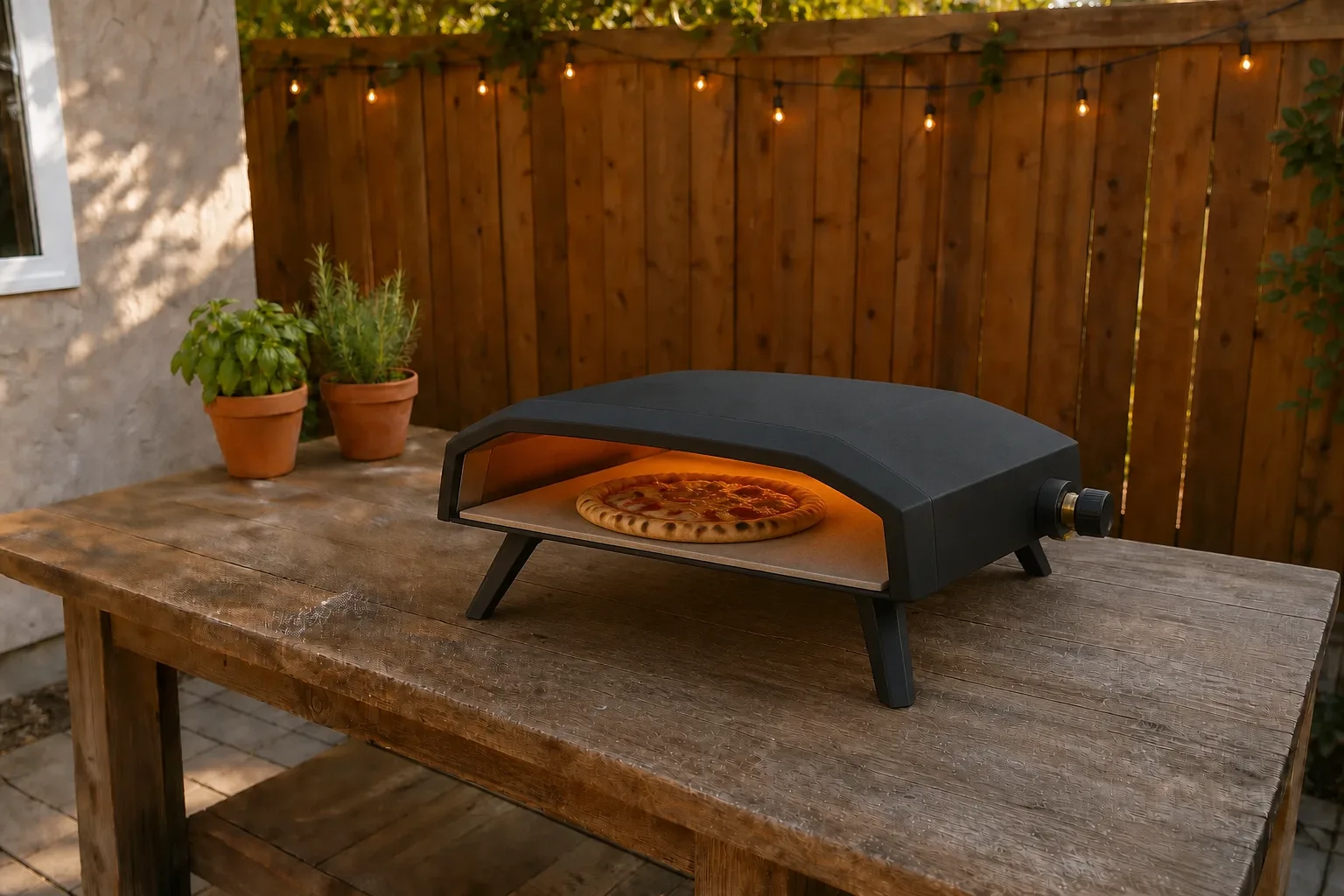
| Ooni Koda 16 | Gas | 950°F | No single peak reported. Floor reached about 800°F at 20 minutes; back-left ran about 200°F hotter | Gear Patrol, Pala Pizza |
| Ooni Koda 2 Pro | Gas | 950°F | About 932°F at the stone (one outlet, method not stated) | Secondary report |
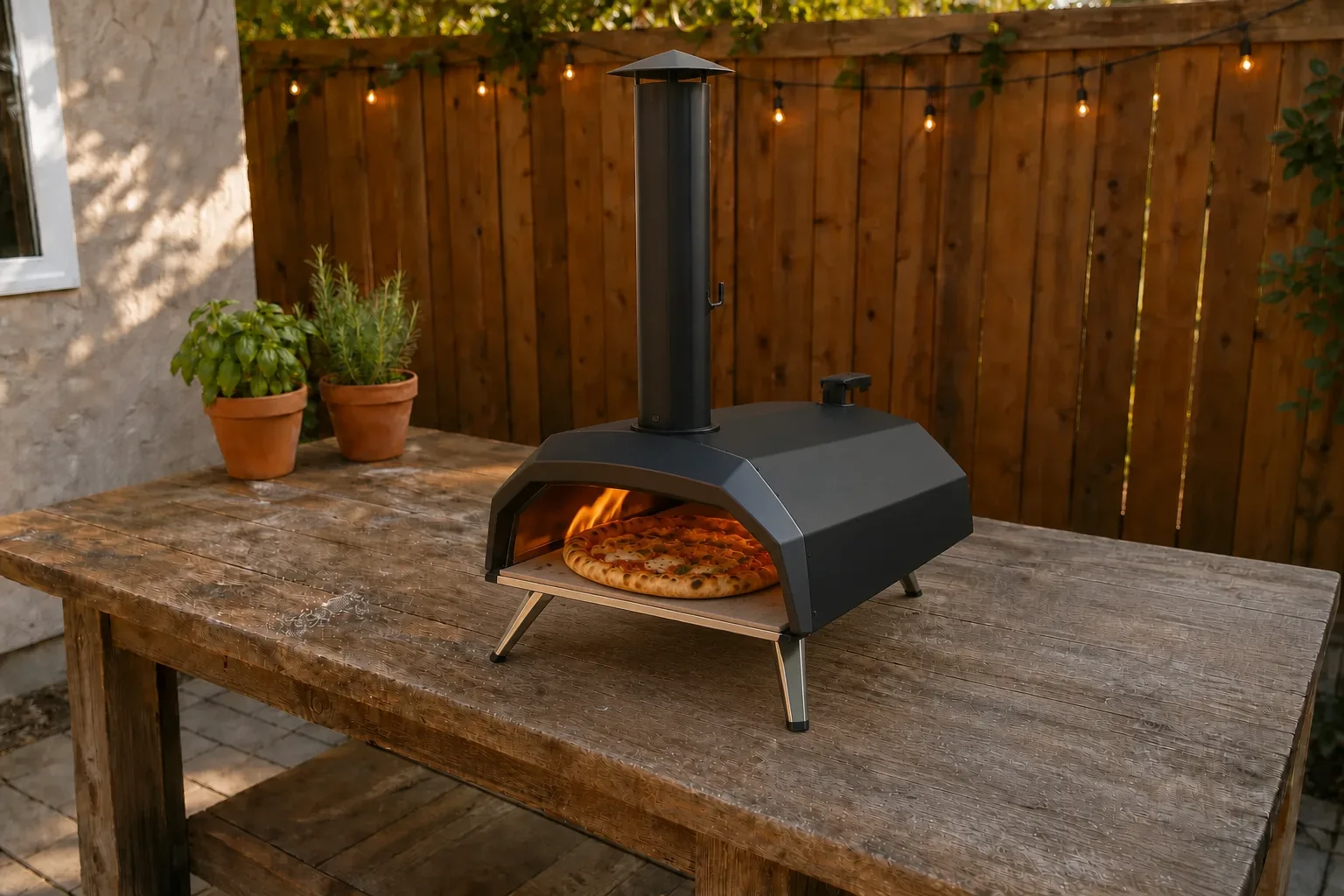
| Ooni Fyra 12 | Wood pellets | 950°F | 900–950°F in one test; about 750°F after 20 minutes in another; fell to about 500°F after 3-4 pizzas from ash | Gear Patrol, others |
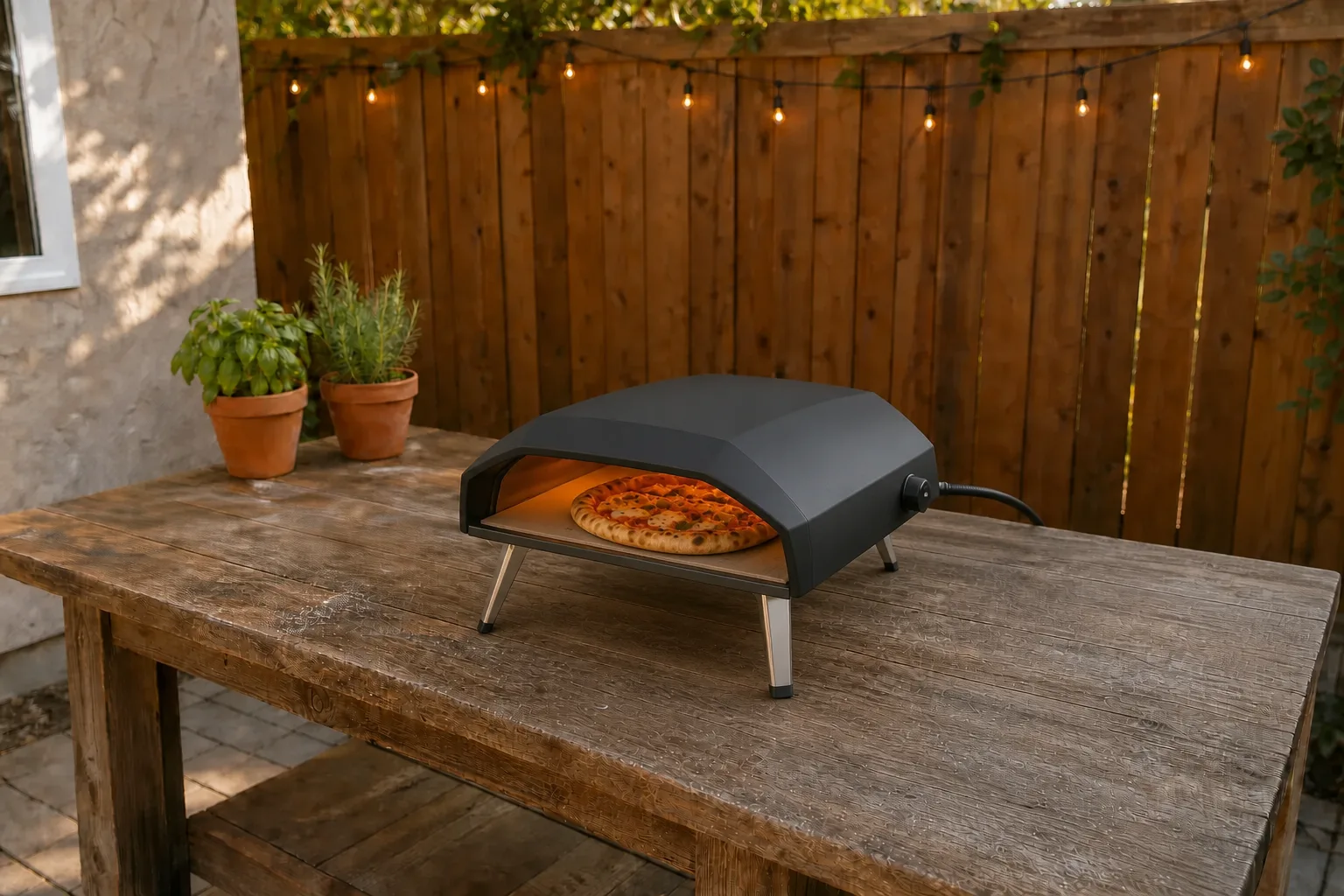
| Ooni Volt 12 | Electric | 850°F | 945°F in Boost Mode after 10+ minutes. Normal use: 789°F on a 42°F night at the 850°F setting | AmazingRibs |
| Ooni Volt 2 | Electric | 850°F | About 810°F after 20 minutes; reached 850°F in about 25 minutes in another test | Tom's Guide, others |
Figures are from published third-party reviews, not our own thermometer. Where a source's infrared thermometer topped out at 800°F, the true peak may be higher.

Stone Temperature vs Air Temperature
Most Ooni ovens have a built-in thermometer, and it usually reads the air inside the dome, not the stone your pizza sits on. Testers found the two can differ by tens of degrees in either direction. On the Karu 16, the built-in gauge read 846°F while the stone measured about 815°F. On the Karu 2, the stone averaged 825°F while the air averaged 776°F.
The number that bakes your bottom crust is the stone temperature. An infrared thermometer, a little point-and-click gadget that reads surface heat, is the cheapest way to check it. Our best infrared thermometer guide covers the good ones.
Why Measured Numbers Run Below the Claims
Ooni's 950°F is a best-case figure. Cold nights, wind, a fresh stone, and fuel quality all pull the real number down. The Volt 12 is a good example: it hit 945°F in Boost Mode, but on a 42°F evening at the 850°F setting the stone only reached 789°F.
Fuel matters too. The Fyra reached pizza heat quickly, but ash buildup after three or four pies left one tester struggling to pass 500°F. Even the hottest oven has a bad day. Think of it as an oven with a mood.
Do You Actually Need 950°F?
No. Neapolitan pizza cooks best at 850–950°F in 60–90 seconds, but a stone around 750–800°F still makes a very good pizza in about two minutes. New York style wants 600–700°F anyway. Our pizza oven temperature guide has the numbers for every style.
Hot spots matter more than the peak number. The Koda 16's L-shaped burner left the back-left corner about 200°F hotter than the rest, and the Karu 16 runs strongest at the back. Turn your pizza about every 20 seconds and the unevenness stops being a problem.